
Frequently asked questions
- Home
- FAQs
Appointments & treatments
At your first visit you will spend time with Ahil talking about your current concern and health history, then receive acupuncture or herbal medicine. Ahil will talk you through the process and answer questions as you go. Most people find it much easier and gentler than they expected.
Allow about an hour for your treatment. Sessions can be shorter or longer depending on your individual needs, and the time the needles are in place is around 30 minutes.
It depends on your concern, how long it has been present and how you respond. Ahil will suggest a short initial course at your first visit, review how you are going at each follow-up, and tell you if he thinks acupuncture is not the right fit.
No referral is needed. You are welcome to book directly, whether it is your first time trying acupuncture or you are continuing care from another practitioner.
You can book online through this website, call the clinic on (02) 9341 5775, or simply walk in. Appointments are available in clinic at Alexandria, with online follow-ups after your first visit, and same-day appointments are sometimes available.
Fees & the clinic
Initial consultations (acupuncture or naturopathy) are $180, and follow-up consultations are $130. Herbal medicine is roughly $35 per week depending on the prescription. An itemised invoice is emailed after each visit so you can claim any rebate through your health fund.
Yes, for services your policy covers. Claims are not processed on the spot at the clinic: Ahil emails you an itemised invoice after your visit, which you submit through your fund's app or website. Rebate amounts depend on your fund and level of cover.
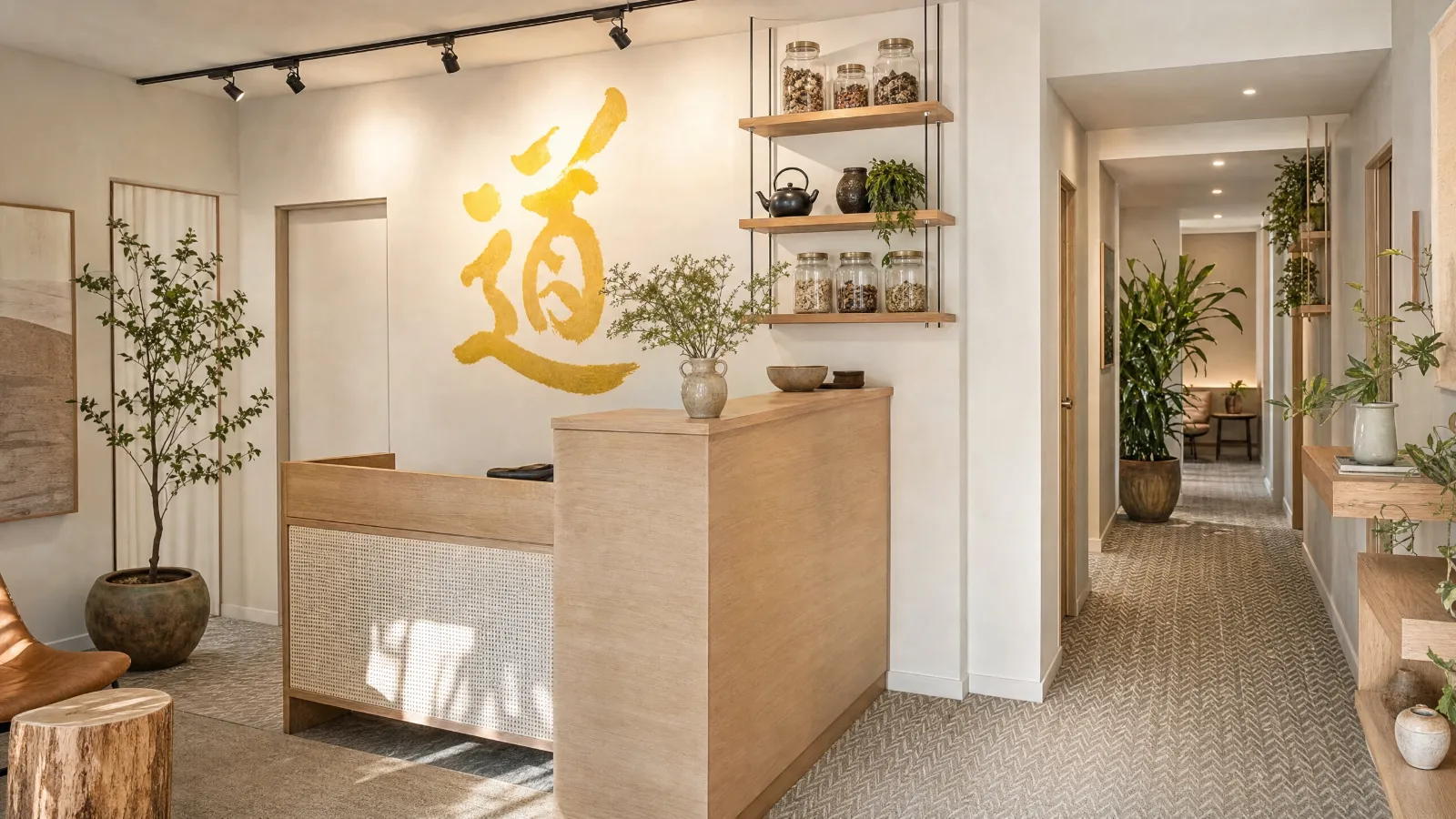
The clinic is at Project Dao, Shop 2/8 Botany Rd, Alexandria NSW 2015. Free two-hour parking is available behind the clinic on Wyndham Street and on Cope Street.
Monday, Wednesday and Friday from 10am to 8pm, and Saturday from 9am to 3pm.
Yes, Ahil offers both. After your first in-person consultation, follow-ups by video or phone are available for up to 12 months, and walk-in patients are welcome at the clinic.
About acupuncture
Acupuncture is a traditional Chinese medicine practice, described in classical texts more than 2,000 years ago, in which very fine, single-use needles are inserted at specific points on the body. In Chinese medicine theory, each point sits on a channel that influences the flow of Qi (often translated as energy) through the body. Needles can also be placed at areas of tension or soreness, known as ashi points.
Not quite. Both use the same kind of fine, single-use needle, but dry needling is based on Western anatomy and targets tight spots in muscle, while acupuncture chooses points according to Chinese medicine theory. “Acupuncturist” is also a protected title in Australia, so only registered practitioners can use it. Read more in acupuncture vs dry needling.
People most often come for help managing pain and muscle tension, particularly in the lower back, neck and shoulders, and for stress and fatigue. Acupuncture may help some people manage these symptoms, and results vary. If you are unsure whether it suits your situation, call or message the clinic before you book.
We often associate the word needle with the hypodermics used for injections at a doctor’s office, but acupuncture needles share little in common with them. They are hair-thin, and patients often feel no sensation when a needle is inserted. During treatment, most people experience a pleasant feeling of relaxation and may even fall asleep.
Only single-use, disposable acupuncture needles are used. They come in a sterile package which is opened at the start of your treatment, and each needle is discarded afterwards. Practitioners of acupuncture complete years of training and registration requirements, and Ahil will discuss any potential safety considerations with you at your first visit.
Small, localised bruises from minor bleeding under the skin are infrequent, but do occur, and resolve within a few days. Sometimes you may notice a slight sensation where a needle has been, lasting around 20 minutes. Ahil will discuss potential side effects with you at your first visit.
Herbal medicine & naturopathy
Naturopathy is a distinct and complete system of health care which focuses on treating the whole person. Naturopathic treatment includes herbal medicine, nutritional supplementation, dietary advice and lifestyle recommendations.
Your individual situation and health concerns form the foundation of your custom herbal prescription. Formulas are dispensed individually and adjusted at follow-up visits as your condition changes.
In some situations it is not appropriate to take herbs alongside particular medications. It is important to tell Ahil about any medications you take so potential interactions can be assessed; where suitable, you may simply be advised to take your herbs at a different time of day.
Side effects can occur. Chinese herbal medicine is generally considered to be safe, but occasionally may be associated with adverse reactions in individual cases. Tell Ahil straight away if you notice anything unexpected.
How people respond varies. Your plan is reviewed at each follow-up, and Ahil will discuss with you how long to continue, and when to stop, based on how you are going.